
ANALOGICA SELECTION 16 / PR 6
DOM / 15 / WAAG / h. 18.30
48min
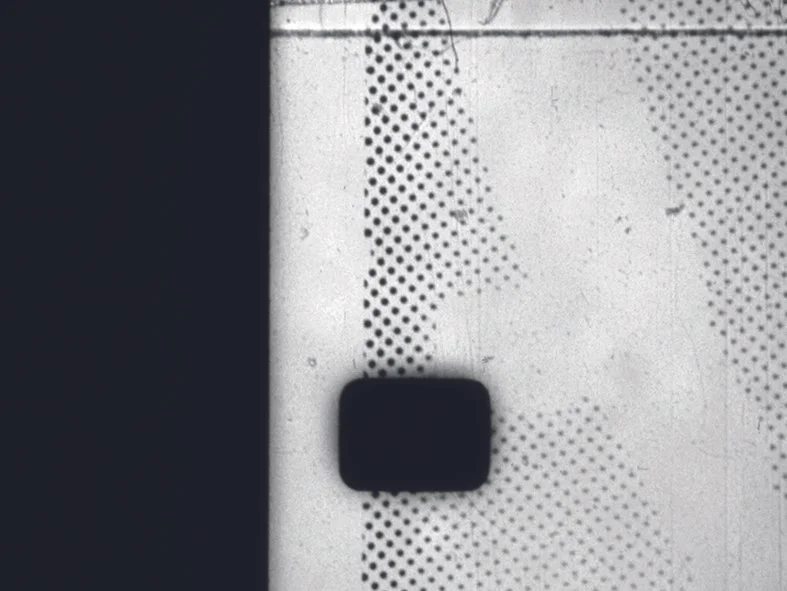
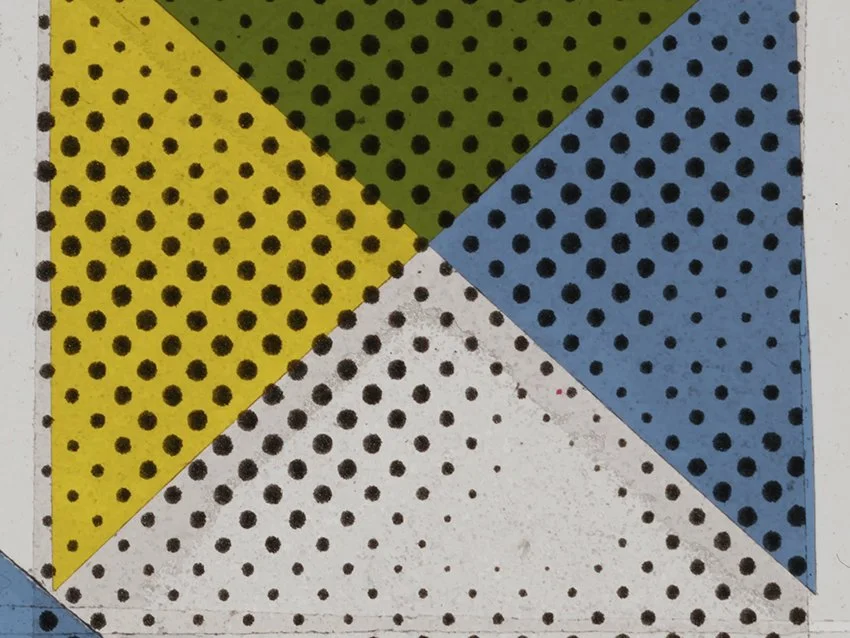
Licht & Ton (Light & Sound)
by Jan Rehwinkel
16mm / 2025 / Germany / 5’ 50’’
A film without a camera: The fascination of painting tone or noise—a composition of visible sound and audible images.
I was interested in how I could add something like warmth or something organic to the purely technical structure of the film in my personal touch. After experimenting with photograms on 16mm film, whose technical precision proved too much for me, I decided to switch to what I like best about filmmaking: painting what I want to see (and hear!) onto the material myself. When I work this way, I am constantly confronted with failure or the impossibility of perfection – even the contact printer I used to make the screening copy was unpredictable. But I see all of this as a creative tool and integrate it into the process.
_________________________
Jan Rehwinkel
Studied visual communication. Lives and works as a filmmaker and editor in Berlin. Experimenting with moving images since 1990, primarily analogue.
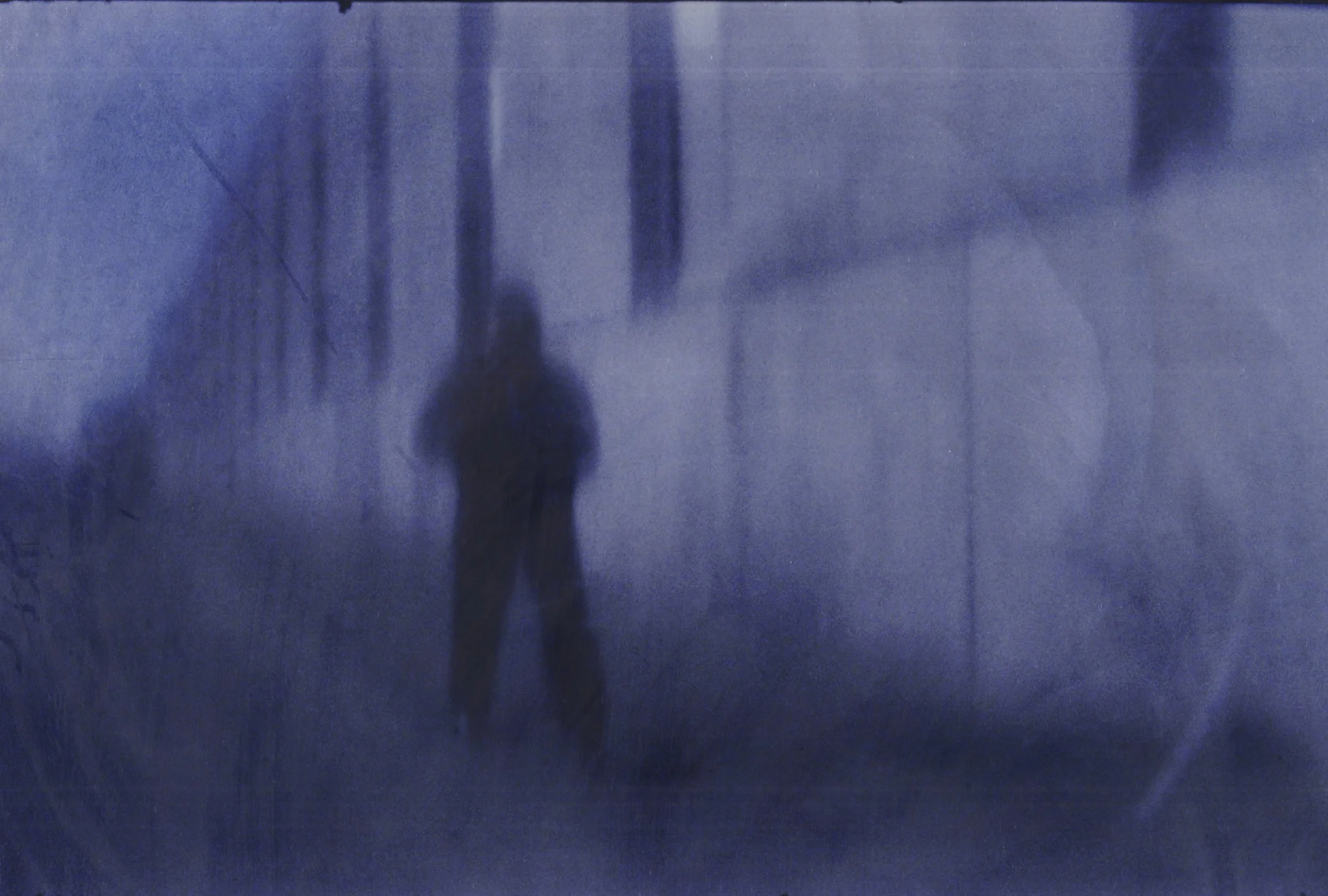
Câine Pierdut
by Jules Bourbon
16mm, film / 2025 / France / 16’ 50’
In a dense, opaque city, a man walks at a distance, cut off from the world. He collects fragments, post-its, which he keeps without really knowing why. Little by little, he rigorously applies what these bits of paper dictate, reproduce errands, call certain numbers, go to Romania, etc. This absurd system becomes a method, a way of life.
This absurd system becomes a method, an attempt to fit into the world.
_________________________
Born in Paris in 1994, Jules Bourbon develops an artistic practice at the crossroads of cinema and contemporary art, combining video, photography, and writing. He graduated from Beaux-Arts de Paris in 2023 and Le Fresnoy in 2026. In 2022, he received the Thaddaeus Ropac Prize. The following year, he was selected for the 10th edition of Révélations Emerige with Galerie Nathalie Obadia, and received the Jury’s Special Mention at Villa Noailles.
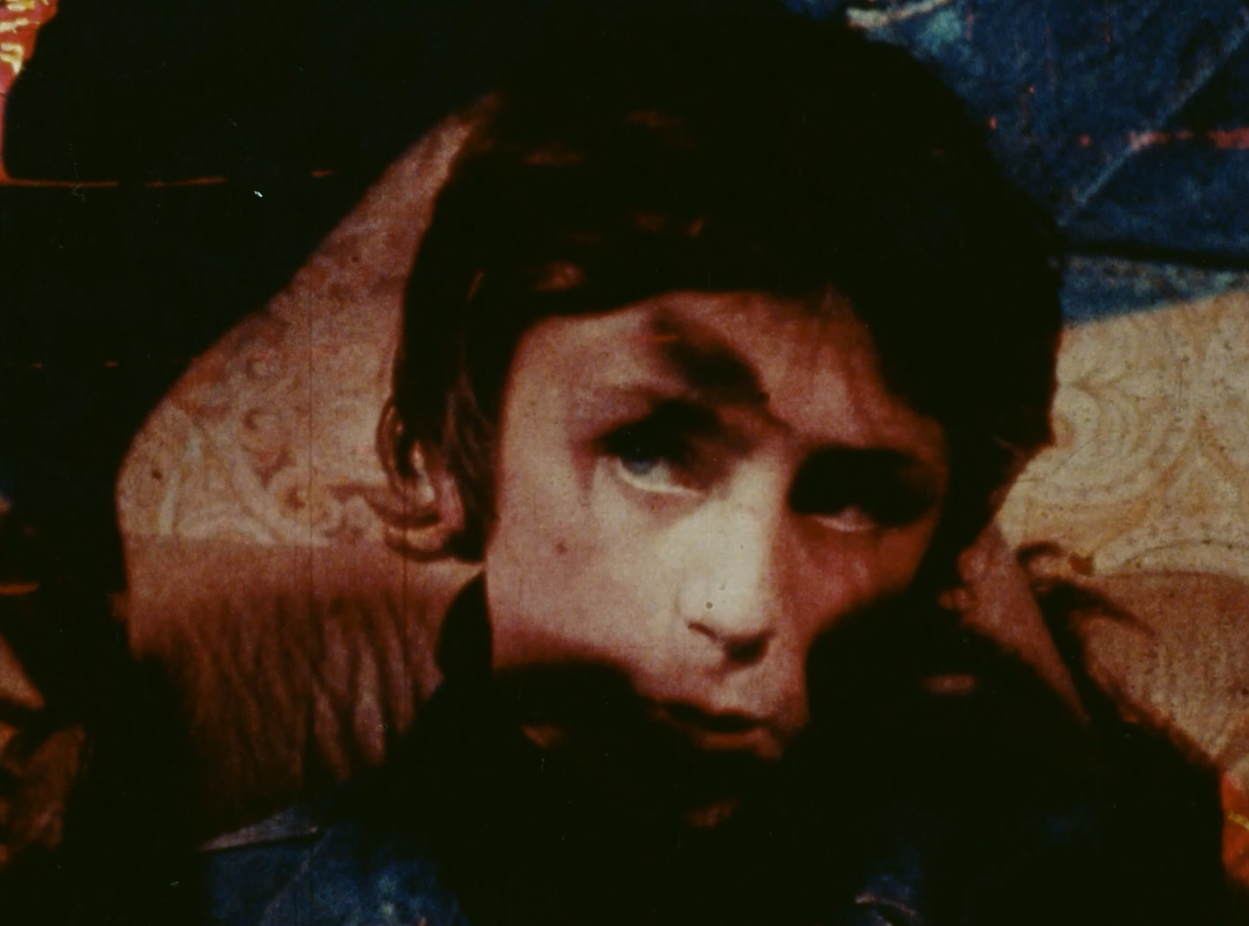
On The Glue
by Dave Johnson
16mm / 2025 / Canada / 3’ 2’’
From the depths of London England’s Barracks district amongst the derelict weapons huts, comes a public service expose from the 1970’s revealing “THE HORRORS” of kids participating in the act of glue sniffing. The narrative is told in three parts: The reporter, a mother, and her “addict son” David.
The overt metaphor presented in this film reveals similar systemic problems and stereotypes of addiction and mental health which occupy every city on all corners of the earth.
This film and its title have been appropriated from a 1970’s BBC expose. The visual treatment exposed the footage (and the filmmaker) by gluing pieces of film together then ripping it apart. This becomes an interesting metaphor of creating using the substance of the problem presented in the film. The film was edited by hand and sequenced using measurements to time each shot.
_________________________
Dave Johnson currently lives in Victoria Canada where he dedicates his photo-chemical practice based on experimenting with documentary methods, process cinema, expanded cinema and sound design.
The themes which inspire his work is built on counter culture, stereotypes and questioning societal models.

Now That We Are
Sending You to The End
by Blake Knecht
16mm / 2025 / United States / 12’ 20’’
A young girl prophesies the end of time as the American Southwest drifts between myth and disappearance. Tactile filmmaking becomes a handmade record of ecological loss. Applying water, soil, and salt from the desert directly onto film emulsion, the work renders the human imprint on a fragile landscape. Through gestures of time and material experimentation, we ask what it means to approach The End.
_________________________
Blake is a filmmaker from Las Vegas, NV, who gravitates toward documentary and experimental formats. She recently graduated with her MFA in Documentary Media from Northwestern University, and she is a 2026 Sundance Institute Ignite x Adobe Fellow. Her work often involves hand-altering film, alternative printing, and exploring sustainable approaches to image-making in alignment with her interest in ecological storytelling.
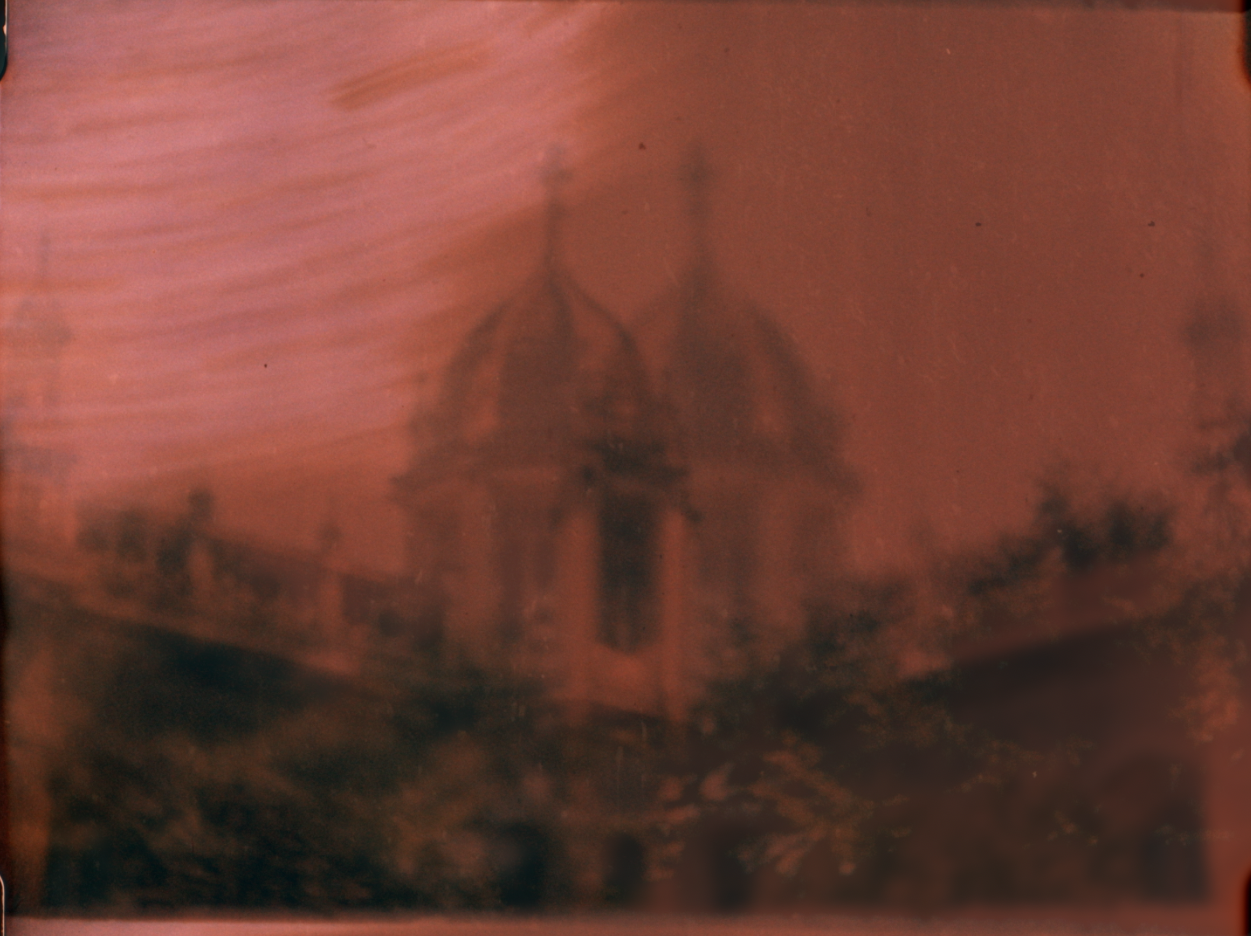
Shadow Registry
by Rodrigo Faustini
16mm / 2025 / Brazil, UK / 3’ 11’’
The archive and its double: filmed at the Maughan Library, London, former site of the UK's Public Registry Office, guardian of National Archives at times of Empire. (An)archive and (an)architecture of a palimpsest: undermining legibility, fixity and structure (frames, axis, grids) through movement, entropic feedback, specters.
_________________________
Rodrigo Faustini (b. 1992) is an independent artist based in São Paulo (Brazil), working with audiovisual preservation at the Brazilian Cinematheque. His practice focuses on exploring the materiality and noise of technical mediation in analog, electronic, and digital media.
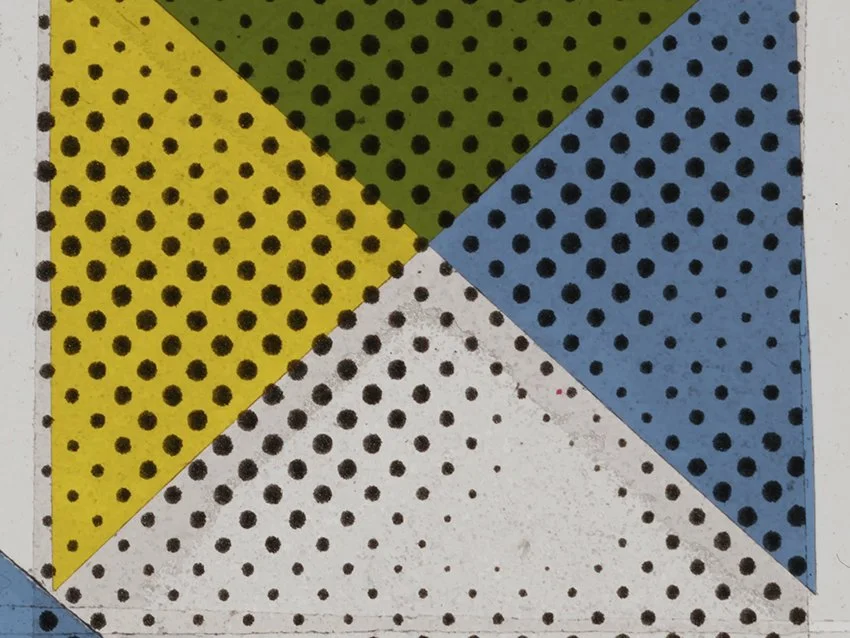
Stop Making Sense 006: Madalibica
by Derrick Schultz
16mm / 2026 / United States / 3’ 18’’
Made exclusively for Analogica. Stop Making Sense combines the filmmaker’s experimental film and algorithmic art practices, generating unique one-of-one audioreactive films from a series of ~15,000 handmade 16mm film frames. Each film in the Stop Making Sense series acts as a performance, custom created for each festival and screened only once.
_________________________
Derrick Schultz is a post-AI artist and experimental filmmaker from Brooklyn, NY, USA.
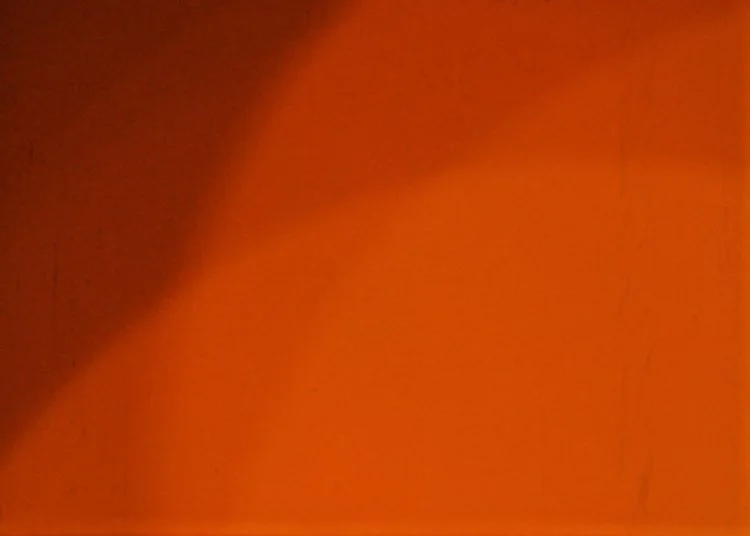
Film de feu
by Jacques Sorrentini
16mm / 2024 / France / 3’ 47
In 1900 Max Planck proposed a Law of Radiation in which the light "spontaneously emitted by ordinary objects" depends on their temperature. Thus, a piece of wood that catches fire must emit a gradation of different colors as its temperature rises. Based on this hypothesis, a 16mm celluloid film is directly exposed to the radiation of a fire, without the mediation of an optical system. As for the fire, a fundamental element, film is also summoned in its most essential dimension: its ability to keep a trace of the luminous vibration over time.
_________________________
Jacques Sorrentini Zibjan is an artist, filmmaker and musician. His work takes the form of installations, sound pieces and films, which have been shown in exhibitions and festivals in France and abroad.
The starting point of his statement is the critical study of the mechanisms that constitute “normality” in Western space, a notion that I see as a process of erasing implicit paradigms. The colonial imaginary, entertainment, the media, rituals and beliefs are among his obsessions.